A Novel  ·  And a Movement

They Closed
a Prison

What does it take to start something that takes two hundred years to finish?

A literary thriller told in three braided timelines — a boy hustling in a dying mill town, an ex-con building an empire he can't hold, and an architect who has everything and owes everything. Three narrators. One story you will read twice.

The Book

Three lives. One debt. Two hundred years.

Three timelines. A murder in a dying mill town. A fortune built and lost. A prison closed. They Closed a Prison braids them into a single novel about what a person owes, and how long it takes to pay.

Narrator One

Junior

A sixteen-year-old who learns that perception can be engineered — and that the wild has rules he can read, bend, and eventually break.

Narrator Two

Reed

Out of prison at twenty-four, building an empire on the theory that money can buy back a soul. It can't. The fortress has no foundation.

Narrator Three

Ryu

A master architect at the height of his power, taken from his car one night by four men who will not say what they want.

The mystery isn't only who these people are. It's how a person survives becoming who they have to become.
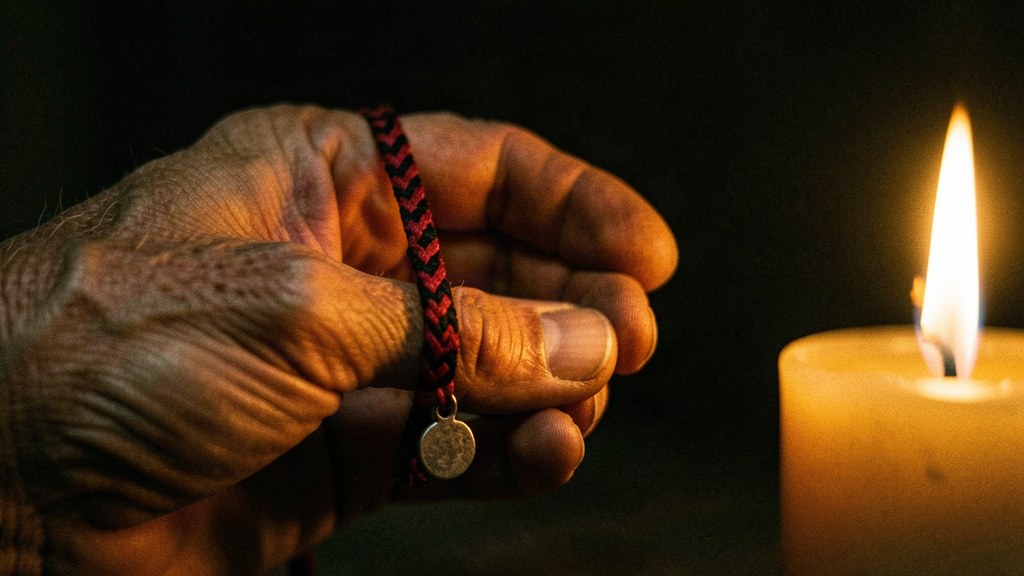
A braided red-and-black cord bracelet with a small silver charm, lit by a single candle
Form
A literary thriller in three braided timelines, with a prologue set in 2207 and an epilogue set in 2120.
Length
Prologue, 75 chapters, epilogue, and four appendices.
Status
Manuscript in development. Publication date to be announced.
Comparables
The Nickel Boys × Cloud Atlas × Just Mercy.
The Appendix
Appendix Three is not fiction. It is the housing model below.
The Initiative

The Foundation Stone

The rent-to-equity model that turns a parole term into a down payment — and a returning citizen into a homeowner.

The problem is structural, not personal

More than 600,000 people are released from American prisons every year into a system almost perfectly designed to produce failure. Landlords may refuse anyone with a record. A record triggers automatic disqualification from most jobs. Banks won't open accounts without credit history. Court fines and fees come due immediately, on no income.

Without a stable home and a steady job, the path back to prison isn't a moral failure. It's a structural inevitability. The Foundation Stone attacks the cycle at its most fundamental element: the absence of a stake.

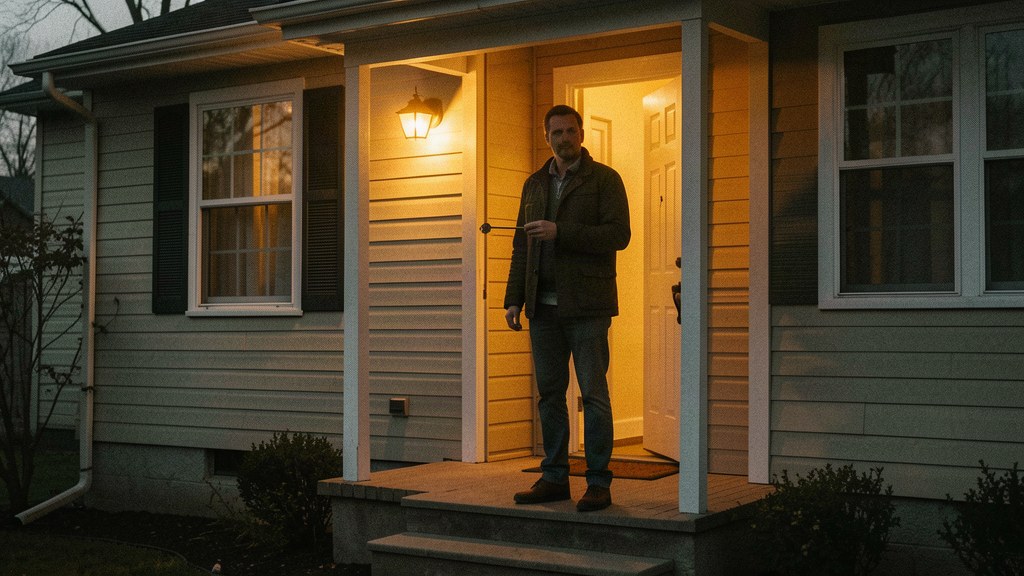
A man just released from prison stands on the porch of his own home at dawn, holding a key
1

Acquire and develop

Modest, high-quality homes in communities with access to jobs, transit, and services. Not warehousing — homes people would want to live in.

2

Place and support

Residents are placed in partnership with parole boards and reentry programs, with employment help, financial coaching, mental-health support, and a case manager who is an advocate, not a compliance officer.

3

Convert rent to equity

Every dollar of monthly rent goes into a dedicated escrow account — building toward something instead of disappearing into a landlord's pocket.

4

Create homeowners

On the day a resident completes parole, the full escrow balance becomes the down payment on the home they've been living in. Tenant becomes owner.

93%
complete parole without a major violation
68%
the national average they beat

Figures as described in Appendix Three of They Closed a Prison. Independently citable program data will be published here as the first homes open.

Where this is right now

The Foundation Stone is in its founding phase — entity, founding team, and first properties are being assembled. We are not yet accepting donations. What we are building now is the list of people who want to be there when the first door opens.

When the doors open

What support builds

Illustrative levels from Appendix Three. Live giving levels will be published when the Foundation is ready to accept support.

$25 · The Welcome Mat

A Welcome Home Kit — toiletries, fresh bedding, basic kitchen supplies.

$100 · The Key

Official identification: birth certificate, Social Security card, state ID. Without these, nothing else is possible.

$500 · The Tool Belt

A vocational certification for one resident.

$1,000 · The Blueprint

One month of rent-to-equity — one month of the escrow that becomes a down payment.

$25,000 · The Community Builder

Full operating costs of one Foundation Stone home for a year.

$1M+ · Development Partner

Funds the acquisition or construction of a new community.


About the Author

Reed Naganuma Jr. is a pen name.

The author publishes anonymously. He writes from inside the story he is telling, and he will stay anonymous until the story is out.

For rights, press, or publication enquiries, write to info@thefoundationstoneproject.org.

One email. Then you decide.

Be there when it opens.

Get the first chapter, and hear when the book is published and when the first Foundation Stone home is ready.